Creating a cozy and functional home office space is essential for anyone working from home or needing a dedicated area to focus on projects. A well-designed workspace not only boosts productivity but also promotes comfort and well-being. Whether you have a small corner or a whole room available, these tips will help you transform your space into an ideal home office.
1. Choose the Right Location
Your home office location sets the foundation for your workday. Consider the following:
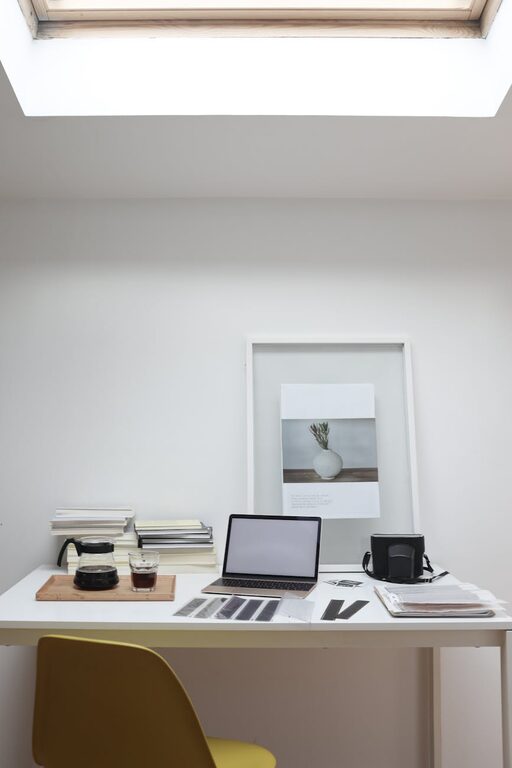
– Natural Light: Position your desk near a window if possible. Natural light reduces eye strain and improves mood.
– Quiet Area: Pick a spot away from high-traffic areas to minimize distractions.
– Space Availability: Ensure there is enough room for your desk, chair, and storage needs without overcrowding.
2. Invest in Comfortable and Supportive Furniture
Comfort is key when you spend hours sitting and working:
– Ergonomic Chair: Select a chair with good back support and adjustable features.
– Functional Desk: Choose a desk size that suits your work; standing desks or adjustable desks can add flexibility.
– Monitor or Laptop Stand: Elevate screens to eye level to avoid neck strain.
3. Optimize Lighting
Good lighting reduces fatigue and helps maintain focus:
– Layer Lighting: Combine natural light with ambient lighting (like ceiling lights) and task lighting (such as desk lamps).
– Avoid Glare: Position screens and light sources to prevent glare on monitors.
– Warm Light: Use bulbs that emit warm or neutral light for a cozy atmosphere.
4. Personalize Your Space
Adding personal touches can make your workspace inviting and inspire creativity:
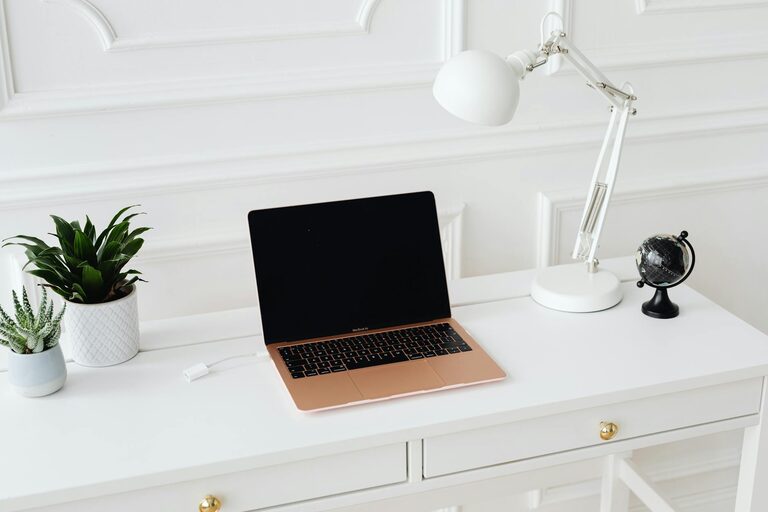
– Decor: Use artwork, plants, or decorative items that make you happy but don’t clutter the space.
– Color Choices: Soft, calming colors like blues, greens, or neutrals encourage concentration.
– Textures: Incorporate soft textiles through rugs, cushions, or curtains for warmth.
5. Keep It Organized
Clutter can be distracting. Use smart organization systems:
– Storage Solutions: Shelves, filing cabinets, and drawer organizers keep supplies tidy.
– Desk Decluttering: Only keep essential items on your desk to maintain focus.
– Cable Management: Use clips or boxes to manage cords and avoid mess.
6. Incorporate Functional Technology
Technology should support your workflow smoothly:
– Reliable Internet: Ensure strong Wi-Fi or wired internet for seamless connectivity.
– Quality Equipment: Invest in a good keyboard, mouse, and headphones.
– Charging Stations: Set up easily accessible charging points for your devices.
7. Create Zones for Different Tasks
If space allows, designing different zones can enhance efficiency:
– Work Zone: Primary desk and computer area for focused tasks.
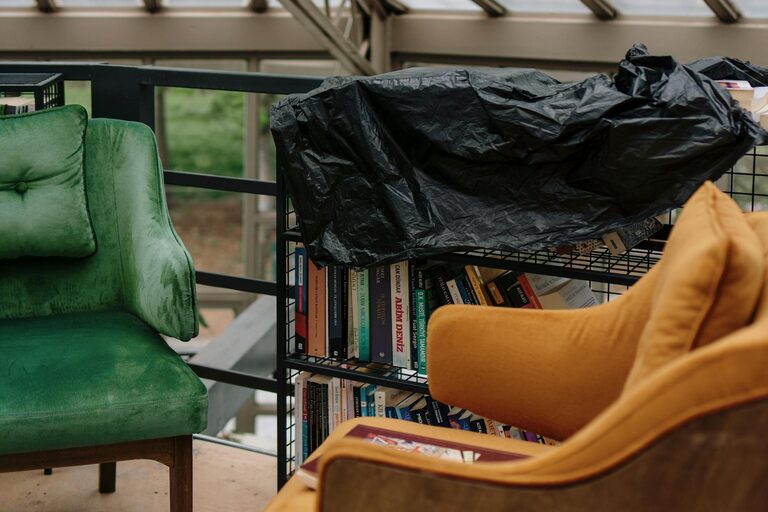
– Reading Zone: A comfortable chair or small sofa for reading or brainstorming.
– Storage Zone: Cabinets and bookshelves for materials and supplies.
8. Add Comfort Features
Small comforts contribute to a cozy atmosphere:
– Temperature Control: Use fans, heaters, or open windows to maintain a pleasant temperature.
– Soft Background Noise: A white noise machine or soft music can improve concentration.
– Break Area: Have a spot nearby for quick breaks to relax and recharge.
9. Maintain Work-Life Balance
Keep your office as a place of work to avoid burnout:
– Defined Boundaries: Physically separate the office from living areas if possible.
– End-of-Day Routine: Use storage solutions to tidy your space after work hours.
– Regular Breaks: Incorporate short breaks to stretch and rest your eyes.
Conclusion
Designing a cozy and functional home office is achievable with thoughtful planning and personalization. Focus on comfort, organization, and creating a welcoming environment that supports your work habits. With the right setup, your home office can become a space you look forward to using every day.
About the Author