
Creating a relaxing home office environment is essential for maintaining focus, boosting productivity, and reducing stress. Whether you work remotely full-time or occasionally, designing a space that feels calm and inviting can make a huge difference in how you approach your tasks. Here are practical tips to help you set up a home office that promotes both efficiency and relaxation.
1. Choose the Right Location
Pick a Quiet Spot
Start by selecting a part of your home that is quiet and away from high-traffic areas. This helps minimize distractions and makes it easier to concentrate.
Use Natural Light
If possible, place your desk near a window. Natural light has been shown to improve mood and energy levels. Avoid harsh direct sunlight that can cause glare on your computer screen; instead, opt for filtered or diffused light.
2. Invest in Comfortable Furniture
Ergonomic Chair
An ergonomic chair that supports your posture is a must to prevent back and neck pain. Adjustable height and lumbar support can make long working hours more comfortable.
Suitable Desk
Choose a desk with enough surface area to accommodate your computer, paperwork, and other essentials. Consider adjustable desks that allow you to switch between sitting and standing positions.
3. Declutter and Organize
Minimalism Wins
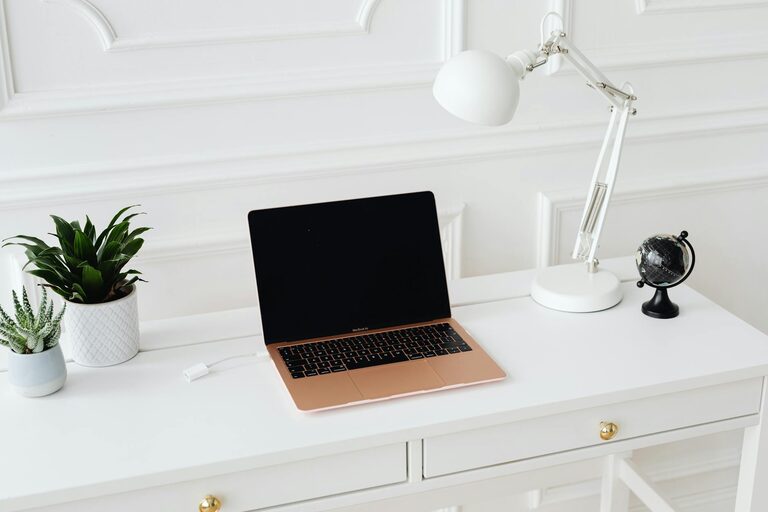
Keep your workspace tidy by limiting the items on your desk to those you use daily. Too many objects can be visually overwhelming and distracting.
Storage Solutions
Use shelves, drawers, or boxes to store supplies and documents. Label containers to simplify finding what you need. Good organization leads to a more relaxing atmosphere.
4. Add Soothing Colors and Decor
Choose Calming Colors
Soft, neutral tones like light blues, greens, or beiges create a peaceful setting. Avoid overly bright or harsh colors that can increase stress or distraction.
Personal Touches
Incorporate a few personal items like photos, plants, or artwork that make the space feel welcoming without overcrowding it.
5. Incorporate Natural Elements
Indoor Plants
Plants not only improve air quality but also reduce stress and increase productivity. Choose low-maintenance varieties such as succulents, snake plants, or pothos for your desk or nearby shelves.
Natural Materials
Wooden furniture or decor elements can add warmth and a sense of nature to your office, making it more inviting.
6. Optimize Lighting
Layered Lighting
Combine natural light with task lighting and ambient lighting. Desk lamps with adjustable brightness help reduce eye strain.
Avoid Screen Glare
Position your computer monitor perpendicular to windows or light sources to prevent glare and reflections.
7. Manage Noise
Soundproofing
If noise is an issue, consider soundproofing methods like thick curtains, rugs, or acoustic panels.
Background Music
Soft instrumental music or natural sounds (like rain or ocean waves) can mask distracting noises and aid concentration.
8. Set Boundaries and Routines
Define Your Space
Make it clear to family members or roommates that your home office is a dedicated work zone to reduce interruptions.
Routine Helps
Establish work hours and include breaks to stand, stretch, or step outside. This balance supports long-term focus and well-being.
9. Use Technology Wisely
Cable Management
Tidy cables with clips or sleeves to keep your workspace neat.
Quality Equipment
Invest in a reliable computer, keyboard, mouse, and good internet connection to prevent frustration.
10. Maintain Air Quality and Comfort
Ventilation
Ensure good airflow by opening windows or using fans.
Temperature Control
Keep your office at a comfortable temperature; too hot or cold environments can decrease productivity.
—
By combining these strategies, you can create a home office that feels like a sanctuary—a place where you can work efficiently without sacrificing comfort or calm. Remember that your workspace should reflect what helps you feel most at ease and focused, so feel free to personalize these tips according to your preferences. A relaxing home office isn’t just about looks; it supports your work habits and overall well-being.
About the Author