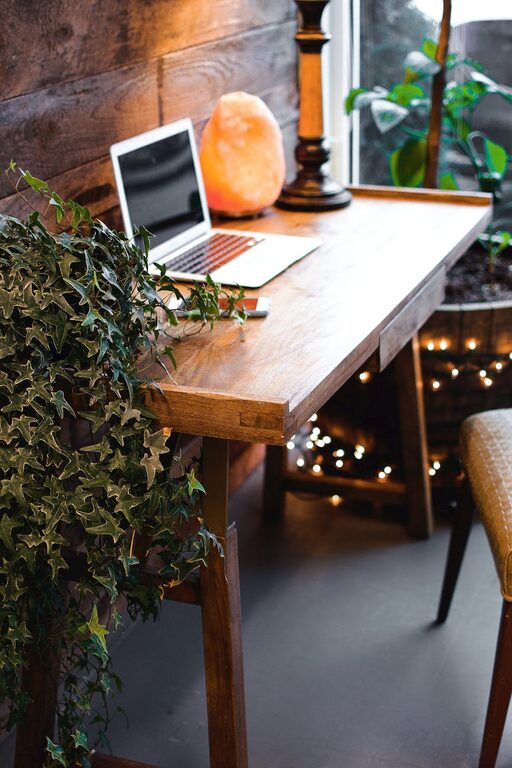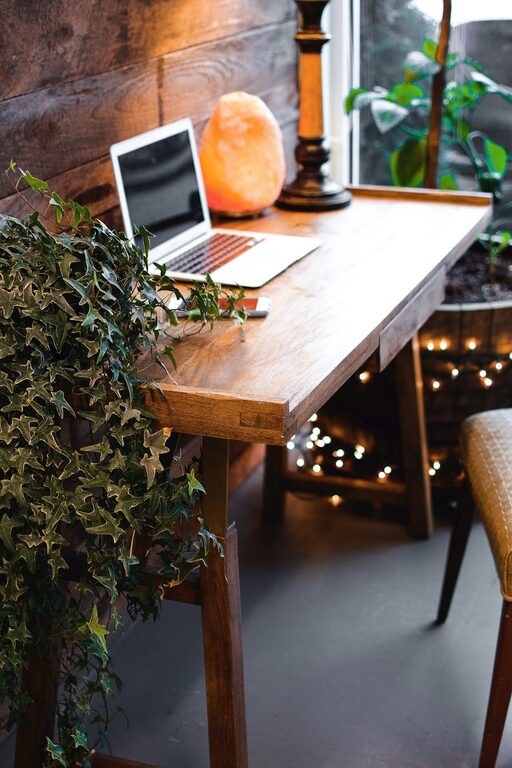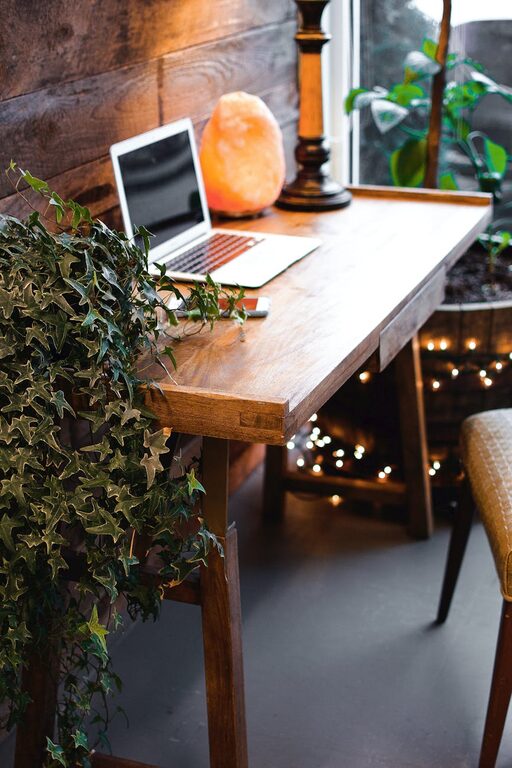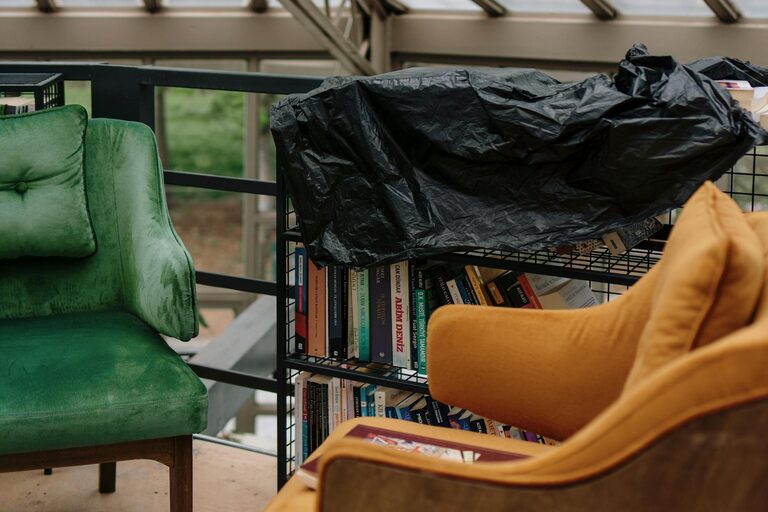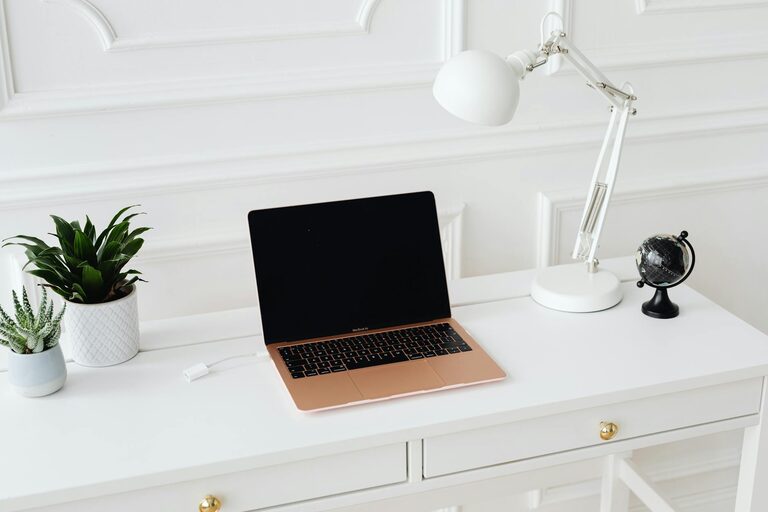
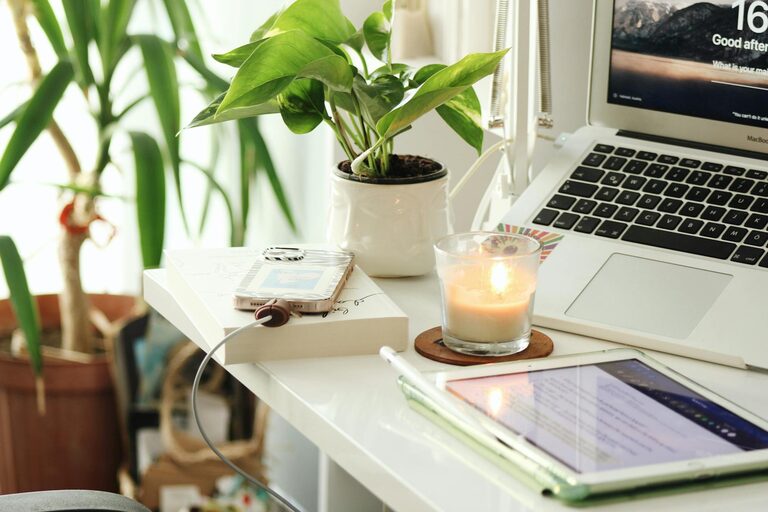
Creating a home office that feels both cozy and productive is a goal many people share, especially as remote work continues to be popular. When your workspace invites you in with comfort yet keeps distractions minimal, it’s easier to stay focused, motivated, and happy throughout your workday. If you’re looking to improve your home office setup, here are some practical tips to inspire your redesign.
Choose the Right Location
Selecting the spot for your home office is a crucial first step. Ideally, pick a quiet part of your home where you can work with minimal interruptions.
– Natural Light: A space near a window provides natural light, which helps reduce eye strain and elevate your mood.
– Privacy: Choose a room or corner where household noise is low. If you don’t have a separate room, consider room dividers or noise-canceling headphones.
– Accessibility: Your office should be easily accessible yet separate enough to create a mental boundary between work and relaxation.
Invest in Comfortable and Functional Furniture
Your furniture choices impact both your comfort and work efficiency. Here’s what to consider:
– Ergonomic Chair: Sitting for long periods requires support for your back. An adjustable ergonomic chair can prevent discomfort and injury.
– Desk Size: Choose a desk that fits your space but also has enough surface area for your computer, keyboard, and necessary tools.
– Storage Solutions: Use shelves, drawers, or file cabinets to keep supplies organized and reduce clutter.
Optimize Lighting
Good lighting is key to avoiding fatigue and setting the right mood.
– Layered Lighting: Combine natural light with overhead fixtures and task lamps, giving you flexible lighting options for different times of day.
– Avoid Glare: Position your computer to avoid sunlight glare on the screen. Use curtains or blinds if necessary.
– Warm Light: Choose light bulbs with warmer, soft tones to create a cozy atmosphere rather than harsh, bright whites.
Personalize Your Space
Making your workspace comfortable also means adding elements that feel inviting and reflect your personality.
– Plants: Indoor plants improve air quality and add a calming, natural element.
– Artwork or Photos: Pictures that inspire or relax you can personalize your space and lift your spirits.
– Textiles: Add soft throws, a comfy rug, or cushions to bring warmth and texture.
Keep It Organized
A tidy workspace helps maintain mental clarity and focus.
– Declutter Regularly: Remove items that aren’t essential for your work.
– Organizers: Use trays, pen holders, and cable management tools to keep everything neat and within easy reach.
– Digital Organization: Keep your computer desktop clean and your files well-organized.
Create Boundaries Between Work and Home Life
It’s important to maintain a clear distinction between “work” and “relax.”
– Set Office Hours: Define when work starts and ends, and stick to your schedule.
– Separate Zones: Even in a small space, designate specific areas for work tasks and breaks.
– End-of-Day Ritual: Close your office door, pack away work materials, or shift your workspace to mentally signal the end of the workday.
Incorporate Technology Thoughtfully
Technology can enhance productivity but also cause distractions.
– Reliable Equipment: Ensure your computer, internet, and other devices are efficient and up-to-date.
– Noise Control: Use headphones or white noise machines if background noise is an issue.
– Minimize Distractions: Turn off unnecessary notifications and use apps that block distracting websites during work hours.
Consider Your Health and Wellness
– Movement Breaks: Add a standing mat or plan short stretches to avoid sitting too long.
– Air Quality: Ventilate your space regularly or consider an air purifier.
– Hydration and Snacks: Keep a water bottle and healthy snacks nearby to stay refreshed.
Conclusion
Designing a home office that feels cozy and boosts your productivity isn’t about expensive furniture or gadgets. It’s about thoughtful choices that suit your unique needs, preferences, and space. By focusing on comfort, organization, lighting, and mindful boundaries, you can create a home office that motivates and supports your best work every day. Start small, experiment, and enjoy turning your workspace into a place where you feel good and get things done.
About the Author