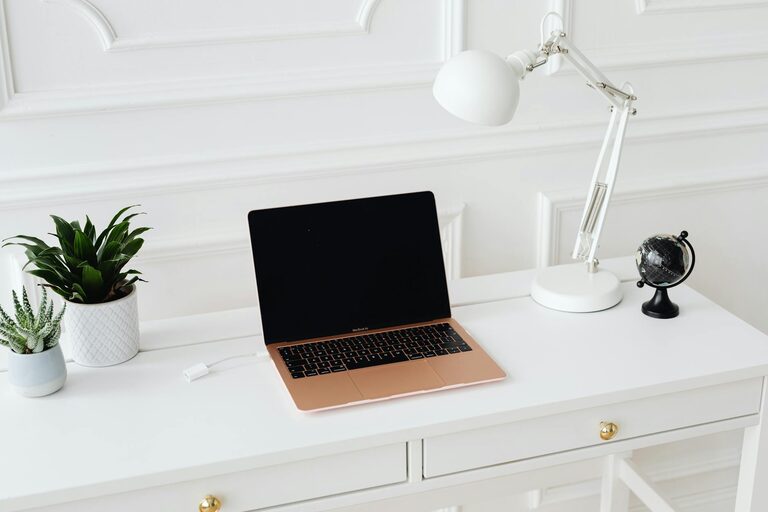
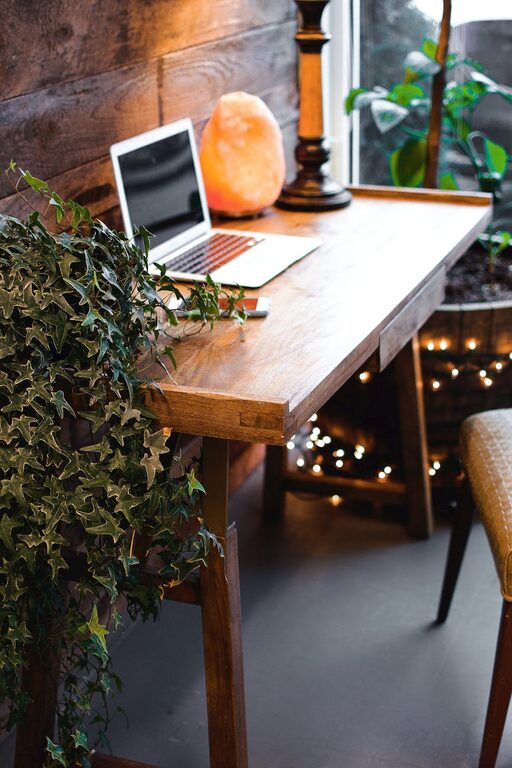
Creating a home office that is both cozy and productive can transform the way you work from home. Whether you’re balancing remote work, freelancing, or managing personal projects, an inviting and well-organized workspace can help you stay motivated and focused. In this post, we’ll explore practical tips to design a home office that promotes comfort and efficiency.
Choose the Right Location
Prioritize Natural Light
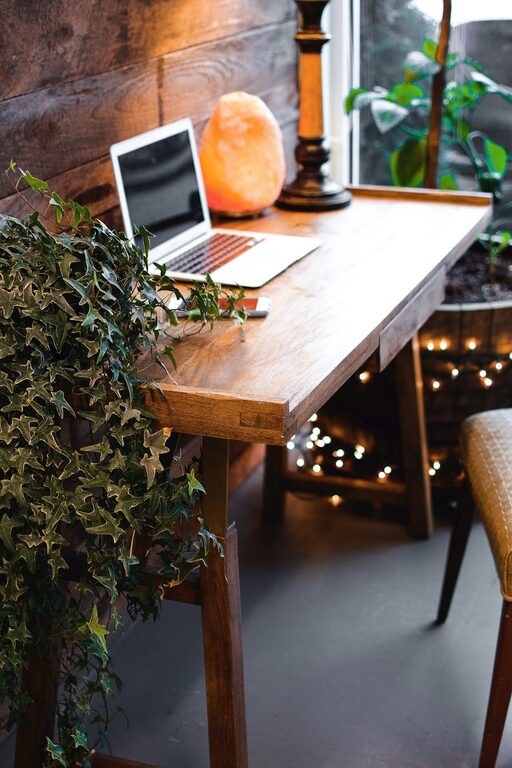
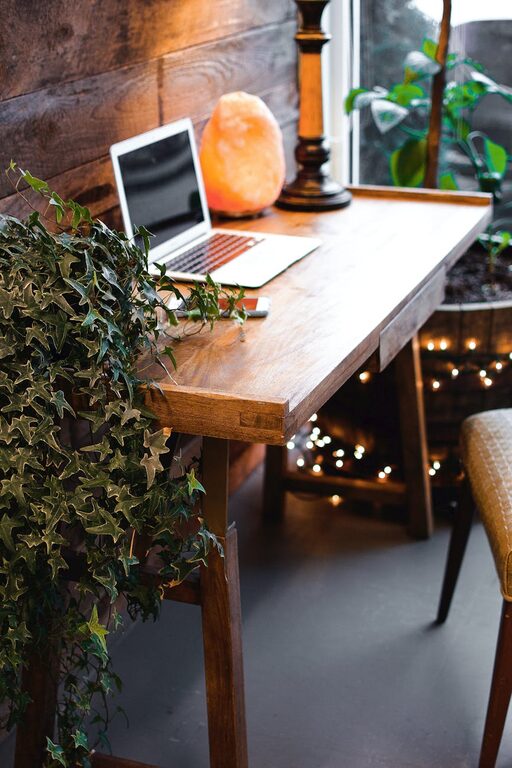
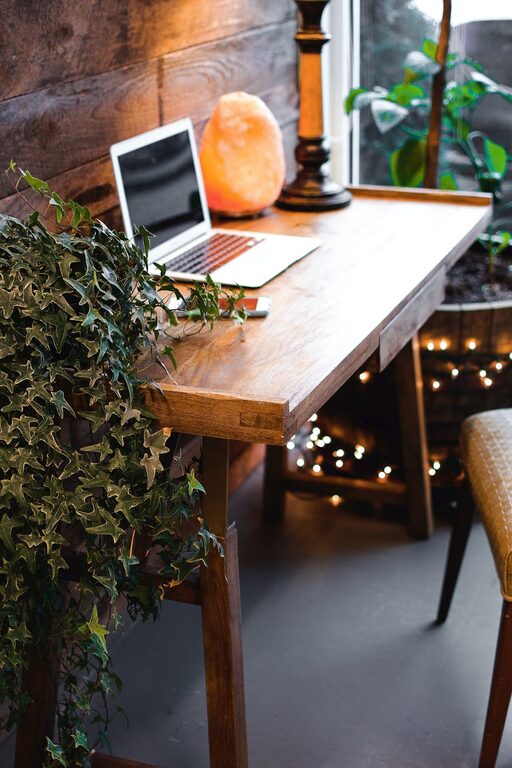
Placing your desk near a window allows you to take advantage of natural light, which can boost mood and reduce eye strain. If natural light is limited, consider full-spectrum bulbs that mimic daylight.
Consider Noise Levels
Select a quiet corner in your home where distractions are minimal. If complete silence isn’t possible, white noise machines or noise-cancelling headphones can help maintain focus.
Invest in Comfortable and Functional Furniture
Ergonomic Chair and Desk
Your chair and desk should support good posture to prevent discomfort or injury during long hours. Look for an adjustable chair with lumbar support and a desk at a comfortable height.
Multi-purpose Surfaces
If space is limited, opt for desks with storage drawers or shelves to keep essentials within reach without cluttering the surface.
Create a Personal Yet Professional Atmosphere
Use Calming Colors
Choose wall colors and décor in soothing tones like soft blues, greens, or neutrals. These colors can create a relaxing atmosphere conducive to concentration.
Add Personal Touches
Incorporate photos, artwork, or plants to make the space feel inviting and uniquely yours. Plants also improve air quality and add a fresh aesthetic.
Organize to Stay Focused
Declutter Regularly
Keep only essential items on your desk. Use trays or organizers to manage paperwork, office supplies, and gadgets efficiently.
Storage Solutions
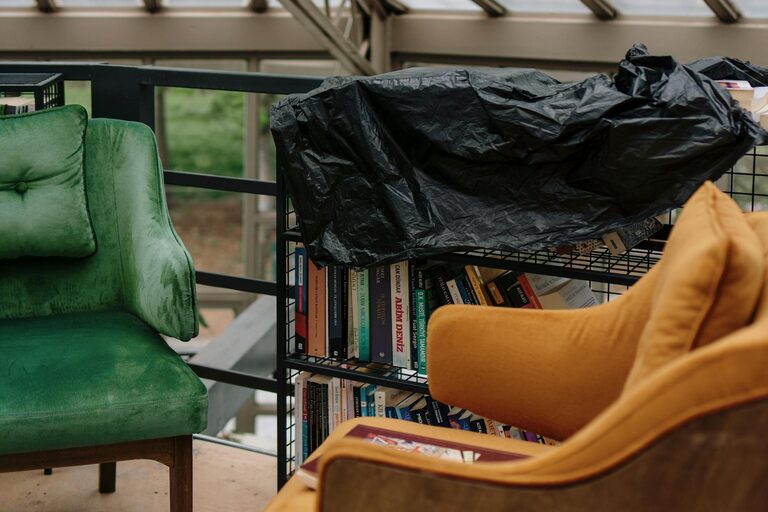
Use shelves, filing cabinets, or bins to store documents, books, and materials. Label containers for easy access and quick cleanup.
Optimize Technology and Lighting
Reliable Equipment
Invest in a quality computer, printer, and fast internet connection to avoid technical frustrations.
Lighting for Task and Ambiance
Combine overhead lighting with a desk lamp to ensure your workspace is well-lit for detailed tasks without causing glare.
Establish Boundaries and Routines
Define Work Hours
Set specific hours to start and end your workday. This helps maintain a healthy work-life balance when working at home.
Use Signals
If you share your living space with others, consider using visual cues like a closed door or headphones to indicate you are working and prefer not to be disturbed.
Add Comfort Features
Cozy Textiles
Include a comfortable rug, cushions, or a throw blanket to add warmth and texture.
Temperature Control
Ensure your workspace is neither too hot nor cold. A small fan or heater can help adjust the temperature to your liking.
Stay Motivated with Inspiring Elements
Vision Board or Calendar
Display goals, deadlines, or inspirational quotes visibly to keep track of your progress and maintain motivation.
Music or Background Noise
For some, light background music or ambient sounds can improve focus and creativity. Choose what works best for you.
—
Final Thoughts
Designing a home office that balances coziness and productivity doesn’t require a major renovation. Thoughtful furniture choices, smart organization, and personal touches can make your workspace a welcoming and efficient place to work. Try implementing some of these tips to create a home office that supports both your comfort and your goals.
About the Author