Creating a relaxing home garden space is a wonderful way to enjoy the outdoors, reduce stress, and add beauty to your property. Whether you have a small balcony or a spacious backyard, a thoughtfully designed garden can become your personal oasis. Here are some helpful tips to design and maintain a garden that promotes calm and relaxation.
Choose the Right Location
Start by identifying a quiet, comfortable spot on your property to set up your garden space. Consider areas that receive your preferred amount of sunlight—whether full sun, partial shade, or full shade, depending on the plants you want to grow. Also, think about privacy; a tucked-away corner or space shielded by fences, hedges, or walls can help create a more secluded atmosphere.
Embrace Natural Elements
Incorporate natural elements that engage your senses:
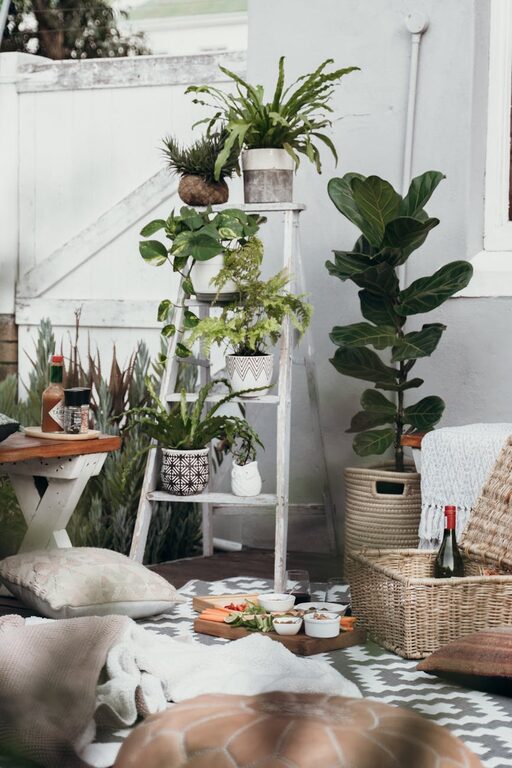
– Plants and Flowers: Select plants that thrive in your climate and soil conditions. Perennials provide lasting greenery, while seasonal flowers add vibrant colors and scents.
– Water Features: Small fountains or birdbaths can add soothing water sounds and attract wildlife, enhancing the peaceful ambiance.
– Rocks and Stones: Use stones to create pathways or borders for garden beds, adding texture and visual interest.
Plan Comfortable Seating
For your garden to be truly relaxing, comfortable seating is essential. Consider the following options:
– Benches: Wooden benches blend well with greenery and provide sturdy seating.
– Hammocks or Swings: These add a playful yet relaxing touch and encourage you to take a break and soak in the surroundings.
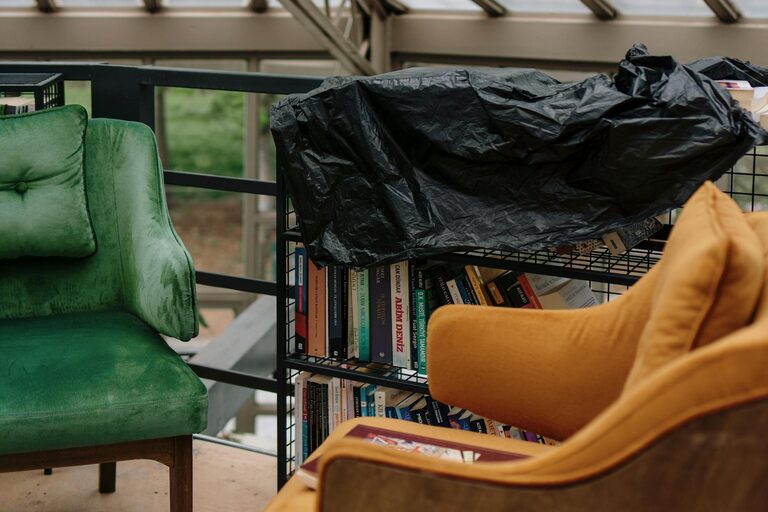
– Chairs with Cushions: Choose weather-resistant cushions to increase comfort without frequent maintenance.
Use Soft Lighting
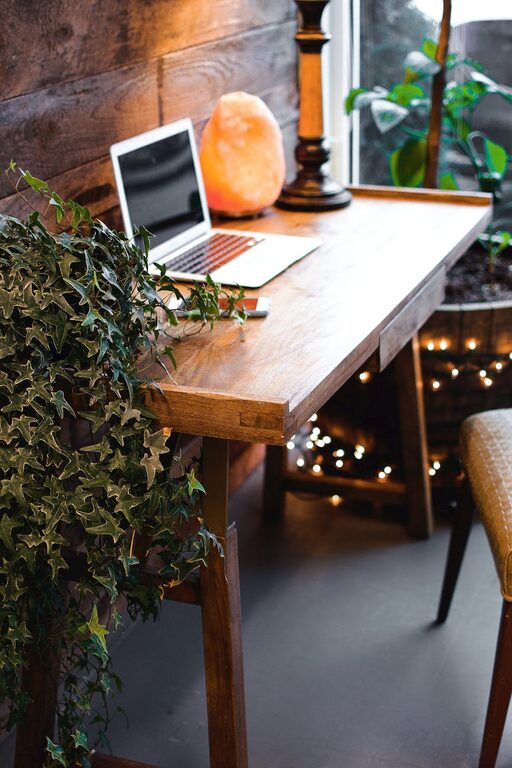
Soft lighting can extend your garden’s usability into the evening and create a cozy atmosphere. Solar-powered lights along pathways, string lights draped on trees or pergolas, or lanterns placed near seating areas all work well. Avoid harsh, bright lights that can disrupt the mood.
Add Scent and Sound
Scented plants like lavender, jasmine, or gardenias can help promote relaxation through their calming aroma. Additionally, playing gentle background sounds such as wind chimes or using subtle outdoor speakers with nature sounds can enhance the tranquil environment.
Keep it Low Maintenance
A relaxing garden shouldn’t become a source of stress. Choose plants that are easy to care for and suited to your environment. Consider drought-resistant varieties if watering is a concern. Mulching garden beds helps retain moisture and reduce weeds, lowering maintenance needs. Group plants with similar needs together to simplify watering and fertilizing.
Create Outdoor Zones
If space allows, design different zones or corners in your garden for various activities:
– A quiet reading nook with a comfortable chair and shaded canopy
– A small dining area or table for tea or meals outside
– A meditation or yoga space with a flat, clear surface
Defining zones with borders, different flooring materials, or plant arrangements helps organize your garden and makes it more versatile.
Incorporate Personal Touches
Add decorations or features that reflect your personality. This might include:
– Garden art or sculptures that you love
– Wind chimes or hanging planters
– Colorful pots or vintage furniture repurposed for outdoor use
Personal touches make your garden feel like a welcoming extension of your home.
Regularly Refresh Your Space
Seasonal changes offer opportunities to update and refresh your garden space. Rotate potted plants, swap seasonal flowers, or rearrange seating to keep the space inviting throughout the year. Regular pruning and cleaning help maintain the garden’s appearance and health.
—
By thoughtfully combining these elements, your home garden can become a peaceful sanctuary where you enjoy nature, relax your mind, and spend quality time with family and friends. Start small, keep your needs and preferences in mind, and watch your relaxing garden space flourish.
About the Author